



Clinical research is a branch of healthcare science that determines the safety and effectiveness (efficacy) of medications, devices, diagnostic products and treatment regimens intended for human use. These may be used for prevention, treatment, diagnosis or for relieving symptoms of a disease. Clinical research is different from clinical practice. In clinical practice established treatments are used, while in clinical research evidence is collected to establish a treatment. (Wikipedia, 31/10/19)
Clinical trials are research investigations in which people volunteer to test new treatments, interventions or tests as a means to prevent, detect, treat or manage various diseases or medical conditions. Some investigations look at how people respond to a new intervention* and what side effects might occur. This helps to determine if a new intervention works, if it is safe, and if it is better than the interventions that are already available. Clinical trials might also compare existing interventions, test new ways to use or combine existing interventions or observe how people respond to other factors that might affect their health (such as dietary changes).
The World Health Organization (WHO) definition for a clinical trial is "any research study that prospectively assigns human participants or groups of humans to one or more health-related interventions to evaluate the effects on health outcomes".
Clinical trial interventions include but are not restricted to:
experimental drugs
cells and other biological products
vaccines
medical devices
surgical and other medical treatments and procedures
psychotherapeutic and behavioural therapies
health service changes
preventive care strategies and
educational interventions.
Researchers may also conduct clinical trials to evaluate diagnostic or screening tests and new ways to detect and treat disease. (australianclinicaltrials.gov.au)
To work in the field, clinical researchers must have at least a degree with some positions requiring a PhD and relevant specialist experience. Employers include hospitals, universities, pharmaceutical companies, Clinical research Organisations (CROs), private companies and government departments. Key skills are critical thinking, attention to detail, complex problem solving and decision making, along with excellent numerical, written and verbal communication skills.
Overall, the role of a clinical researcher if employed by a pharmaceutical company or CRO may involve writing drug trial methodologies (protocol) including designing trial materials, briefing the team of investigators with instructions on how to conduct the trials, setting up trial study centres, authenticating case report forms and monitoring overall progress throughout the trial. (New Scientist Jobs, 8 May 2019)
The role of a clinical researcher if employed by a hospital or university may include writing drug trial methodologies (protocol) including designing trial materials, conducting the trial according to the protocol, recruitment of participants, performing study related procedures and assessments and maintaining clinical trial documentation.
Biostatisticians
Clinical Operations Directors
Clinical Operations Managers
Clinical Project Directors
Clinical Project Managers
Clinical Research Associates
Clinical Research Consultants
Clinical Research Directors
Clinical Research Managers
Clinical Research Nurses
Clinical Research Physicians
Clinical Trial Assistants
Clinical Trial Coordinators
Clinical Trials Pharmacists
Clinical Trials Recruitment Managers
Data Managers
GCP Auditors
GCP Quality Assurance Associates
GCP Quality Assurance Managers
Medical Writers
SAS Programmers
Senior Clinical Research Associates
Senior Study Start-up Associates
Study Start-up Associates
Study Start-up Managers
Pharmaceutical industry including biotech, complementary medicines sector
Medical technology industry
Universities
Clinical Research Organisations (CROs)
Hospitals
Clinical research institutes and organisations
Bachelor or Masters degrees or PhD in:
Biomedical Sciences
Pharmacy
Pharmaceutical Sciences
Nursing
All major universities in capital cities should have degrees that qualify for a career in clinical research.
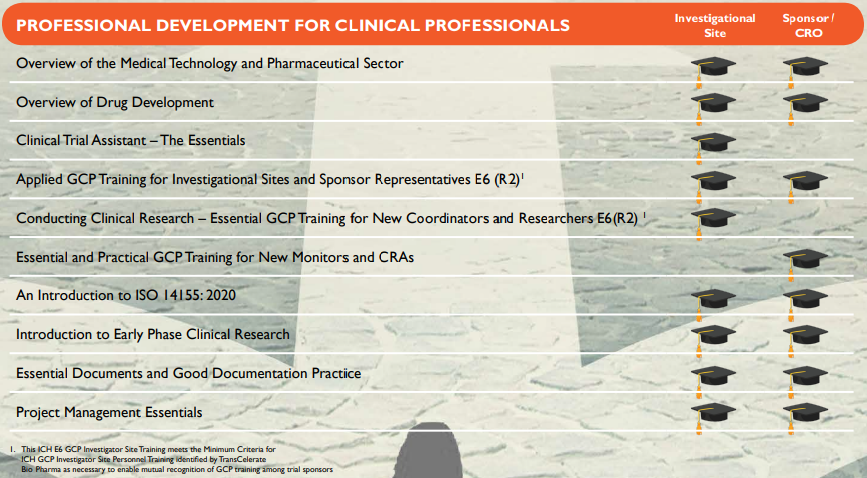
If you are thinking about a career in clinical research, ARCS is offering a range of workshops addressing essential requirements to set you up on your preferred career path.
|
Entry level/introductory |
Intermediate/advanced |
Related workshops |
|
Applied GCP Training for Investigational Sites and Sponsor Representatives |
Coordinating Clinical Research More Effectively at Your Site |
Making Sense of Statistics |
|
Essential and Practical GCP Training for New Monitors and CRAs |
Clinical Project Management for CRAs |
Health Economics for Non-Economists |
|
Essential GCP Training for Clinical Investigational Sites |
Applying Australian Clinical Trial Safety Monitoring and Reporting Requirements |
Project Management Essentials |
|
Conducting Clinical Research – Essential GCP Training for New Coordinators and Researchers |
Introduction to Early Phase Clinical Research |
Overview of Drug Development |
|
An Introduction to ISO 14155: 2020 |
Effective Clinical Trial Study Start-up |
Overview of the Medical Technology, Biotechnology and Pharmaceutical Sector |
|
Clinical Trial Assistant - The Essentials |
Monitoring Clinical Trials through COVID-19 and Beyond |
|
|
|
The Importance of having a Quality Management Systems for Sites and Sponsors |
|
|
|
Refresher GCP Training for Clinical Investigational Sites |
|
|
|
Refresher GCP Training (online) |
|
|
|
Essential Documents and Good Documentation Practice (online) |
|
Monitor some of the job search portals and search for Clinical Research positions. This should give you a better idea of what roles are available and who is recruiting. ARCS provides a job listing service in the weekly Member News (for ARCS member only).
Identify potential employers by type: hospital, research institutes and CROs or companies and approach them directly about entry level positions or graduate programs. There are a range of specialised recruiters for careers in clinical research.


%20(2).jpg)


-%20Ausbiotech24.jpg)


